
Natural light can completely change the feel of a room. It makes spaces feel larger, brighter, and more welcoming. At the same time, privacy matters just as much, especially in bedrooms, street-facing rooms, condos, and open-concept homes.
At Maison du Beau, layered window treatments are often recommended for homeowners looking to create spaces that feel polished, comfortable, and tailored to the way they live.
What Does Layering Curtains and Blinds Mean?
Layering curtains and blinds means combining two types of window treatments on the same window to improve both functionality and appearance.
Typically, this includes:
- A functional layer, like blinds or shades
- A decorative layer, like curtains or drapery panels
Layered window treatments allow you to adjust the atmosphere of a room throughout the day instead of relying on one fixed solution.
Why Layer Curtains and Blinds
Layering curtains and blinds offers practical advantages while also helping rooms feel more complete visually.
Better Privacy Throughout the Day
One of the biggest challenges with window coverings is finding privacy without making a room feel dark. Layered treatments solve that problem by giving you multiple levels of coverage.
This flexibility works especially well for:
- Condos
- Street-facing homes
- Large living room windows
- Bedrooms near neighbouring properties
More Control Over Natural Light
Different rooms need different levels of brightness throughout the day. Layering curtains and blinds makes it easier to control glare, soften direct sunlight, and maintain comfort without completely blocking natural light.
For example:
- Roller shades can reduce harsh afternoon sunlight
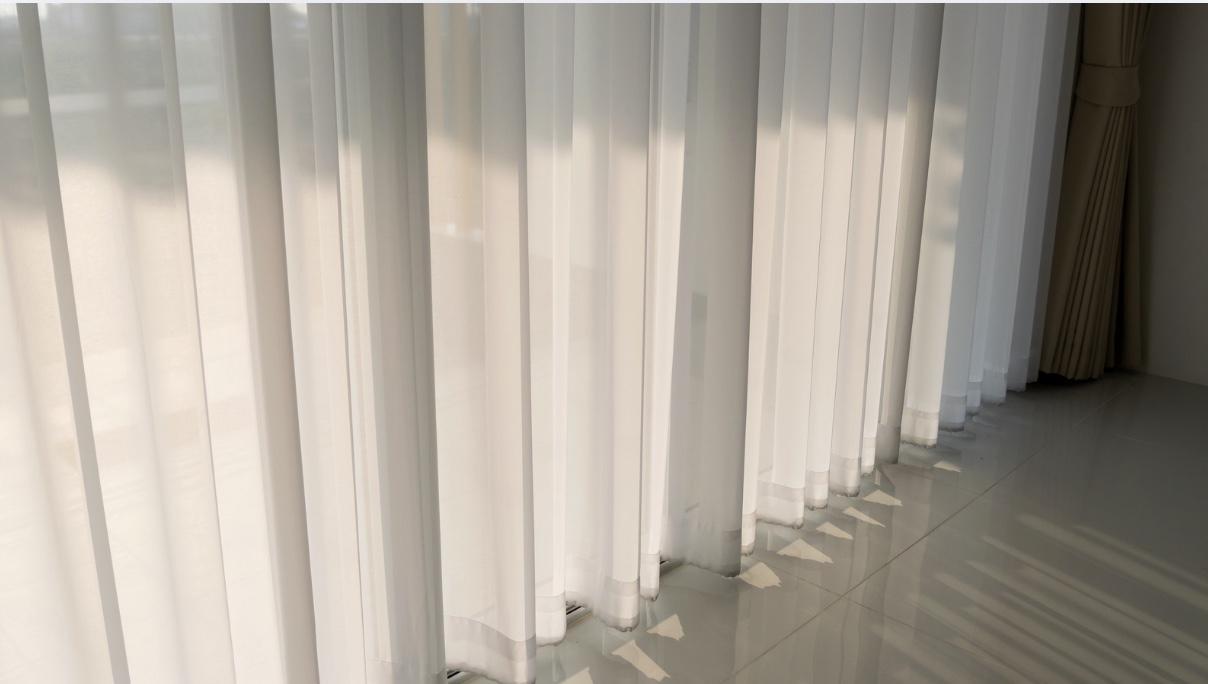
- Sheer curtains can diffuse brightness softly
- Blackout panels can darken a room when needed
A Softer, More Finished Look
Blinds alone can sometimes feel minimal or unfinished visually. Curtains add softness, movement, and texture that help a room feel warmer and more inviting.
Layered window treatments also create:
- Better visual depth
- More balanced proportions
- Stronger design cohesion
- A more customized appearance
The Best Curtain and Blind Combinations
Some combinations work particularly well depending on the room and the level of privacy or light control needed.
Sheer Curtains & Roller Shades
The roller shades provide privacy and glare reduction, while sheer curtains soften the overall appearance and filter incoming sunlight naturally.
Blackout Curtains & Roman Shades
Bedrooms benefit most from this layered setup. Roman shades add structure and adjustable light control, while blackout curtains help reduce outside light and improve sleeping comfort.
Drapery Panels & Horizontal Blinds
Horizontal blinds offer flexibility throughout the day, while decorative drapery panels frame the windows and add warmth.

How to Layer Curtains and Blinds Correctly
A successful layered window treatment starts with understanding how the room is used.
Start With Function
Before choosing fabrics or colours, focus on what the room needs most.
Ask questions like:
- Does the room need blackout coverage?
- Is daytime privacy important?
- Does sunlight create glare?
- Should the room feel brighter or softer?
The functional layer should solve these practical concerns first.
Complement the Room’s Existing Décor
Curtains and blinds should feel connected to the rest of the room, not separate from it. Consider how the fabrics, colours, and textures will work with surrounding elements like hardwood flooring, doors, wallpaper, and accessories.
This helps the window treatments support the full design of the space, creating a look that feels thoughtful, balanced, and complete.
Add Texture and Softness
Sheers can create an airy and relaxed look, while heavier drapery fabrics add warmth and structure. Mixing textures also helps rooms feel more balanced and professionally styled.
Choose the Right Hardware
Hardware placement matters. Mounting rods slightly higher and wider than the window frame can help:
- Make ceilings feel taller
- Allow more light into the room
- Create a more elegant appearance
Adjust Placement for Better Proportions
Curtains that are too short or improperly placed can make windows feel smaller. Full-length panels generally create a cleaner and more refined look.
Custom measurements also help ensure the layers work together properly without overcrowding the window.
Layering Ideas for Different Rooms
Different spaces benefit from different layering approaches.
Bedrooms
Bedrooms often need the most flexibility between daylight and darkness. Blackout curtains layered with shades can help create a quieter space while improving privacy and reducing morning light.
Living Rooms
Living rooms usually benefit from lighter combinations that keep the space bright while softening direct sunlight. Sheer curtains paired with roller shades create a comfortable, welcoming look that still gives you privacy when needed.
Dining Rooms
Layered drapery can make dining rooms feel warmer and more polished, especially around large windows or patio doors. Textured fabrics also add depth, helping the room feel more inviting during meals and evening gatherings.
Home Offices
Natural light matters in home offices, but glare can quickly become distracting. Adjustable blinds layered with light curtain panels help maintain brightness while reducing harsh reflections on screens.
Common Mistakes to Avoid
Layering curtains and blinds can improve a room significantly, but a few common mistakes can affect the final result.
Avoid:
- Choosing fabrics that are too heavy for the space
- Installing curtain rods too low
- Using curtain panels that are too narrow
- Ignoring how sunlight changes throughout the day
- Combining too many competing textures or patterns
A more balanced approach usually creates a cleaner and more timeless appearance.
Why Custom Window Treatments Make a Difference
Layered window treatments work best when they are tailored to the proportions and lighting conditions of the room.
Custom curtains and blinds help ensure:
- Better fit and alignment
- Consistent proportions
- Proper light coverage
- Higher-quality finishes
- More cohesive design choices
FAQs
Can you combine blinds and curtains on the same window?
Yes. Combining blinds and curtains is one of the most effective ways to improve both privacy and light control while adding more depth to a room’s design.
What curtains work best with roller shades?
Sheer curtains and full-length drapery panels pair especially well with roller shades because they soften the appearance while maintaining functionality.
Are layered window treatments good for small rooms?
Yes. Properly layered curtains and blinds can actually help small rooms feel larger and more finished, especially when curtain rods are mounted higher and wider.
Do layered curtains help with insulation?
Heavier drapery fabrics can help reduce drafts and improve comfort by adding another layer between the room and the window.
Should curtains cover the blinds completely?
Not always. Many-layered designs use decorative side panels that frame the window while allowing the blinds or shades to remain the primary functional covering.
Create a More Comfortable and Stylish Home
Contact us for custom curtains, blinds, and window treatment solutions designed to help homeowners create spaces that feel comfortable, elegant, and tailored to their everyday lives.